
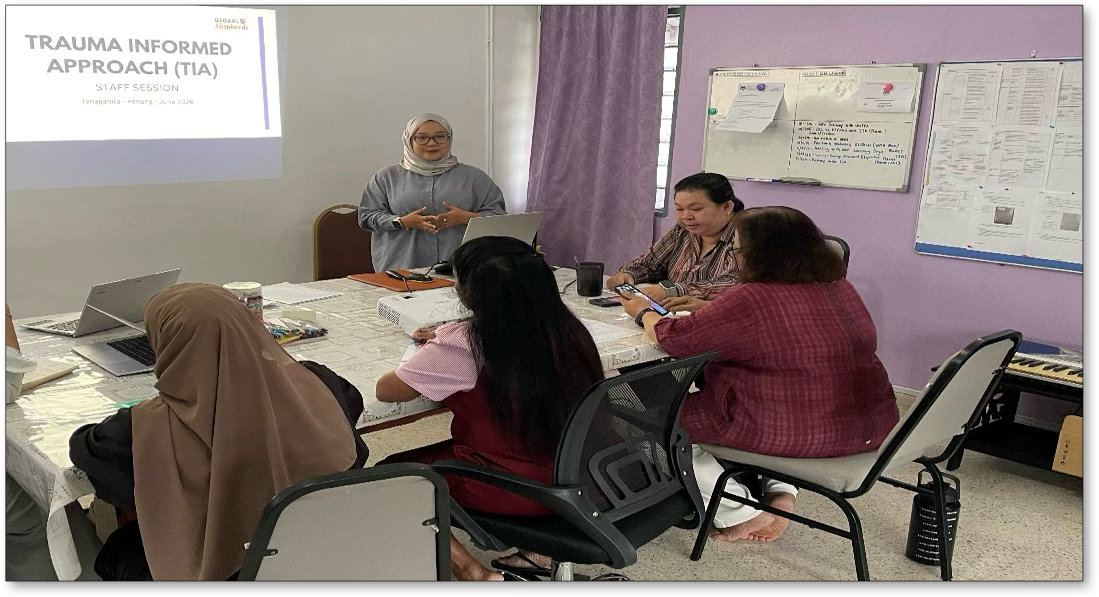
On June 10-11, Tenaganita staff attended a two-day training on the Trauma-Informed Approach (TIA). Global Shepherds was invited to lead the training, sharing their expert knowledge on how to help people who have gone through difficult times. The goal of the workshop was to help the Tenaganita team support survivors of human trafficking and abuse with more empathy, kindness, and confidence.
Day 1: Understanding Trauma and Shifting the Lens
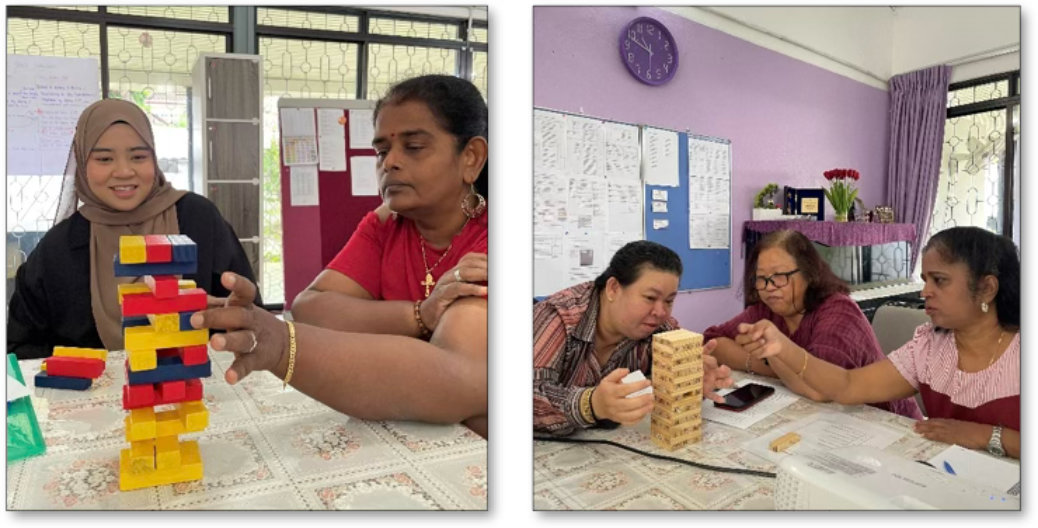
On the first day of training, the participants focused on building a shared understanding of what trauma actually is and how deeply it impacts the lives of survivors. To make this concept easier to see and feel, the group took part in an interactive activity called the "Trauma Tower." This exercise clearly showed everyone how repeated stressors and bad experiences can pile up over time, slowly weakening a person's ability to cope with daily life. It was an important moment that highlighted how trauma is rarely just a single, isolated event; instead, it usually builds up over time from many different difficult situations.
As the day went on, the team explored the many different ways that trauma can influence a person’s emotions, behavior, physical body, and social relationships. At the same time, participants learned to recognize that every single individual experience trauma differently based on unique factors like their age, cultural background, past life experiences, and the support systems they have around them. By using real-life simulations and discussing specific case scenarios, the staff carefully reflected on how these painful past experiences can completely change the way survivors communicate, react to stress, and engage with the people around them.
Key Takeaway: The "Trauma Lens"
The most important takeaway from the entire first day was learning how to look at people through a "trauma lens." This means completely shifting the core question from a judgmental "What is wrong with you?" to a deeply understanding "What happened to you?"
To help put this into practice, participants used an approach called "Stop, Interpret, Reframe." This method helped the staff practice pausing their initial assumptions and thinking twice about a survivor's actions. By doing this, they learned to see that difficult or confusing behaviors are usually just natural survival responses to terrible events, rather than personal flaws, allowing the team to respond with much greater empathy and patience.
Day 2: Practical Application and Caregiver Well-being
On the second day, the participants focused on how to bring everything they learned into their daily work at the shelters. They did this by looking at the six core principles of Trauma-Informed Care, which are:
- Safety
- Trust and Transparency
- Peer Support
- Collaboration
- Choice and Empowerment
- Cultural, Historical, and Gender Sensitivity
The group spent time discussing how small, thoughtful, and everyday actions can make a huge difference in a survivor's life. They learned that using supportive language, respecting personal boundaries, offering options, and letting survivors take part in making decisions are powerful ways to build trust and help people heal.
Identifying Triggers and Choosing Alternatives
Next, the team looked at how some everyday routines and habits might accidentally upset or re-traumatize survivors. By analyzing real-life scenarios, the staff identified common things that can trigger a survivor, such as:
- Demanding that they share their painful stories right away
- Giving strict orders without explaining why
- Ignoring their deep emotions
- Using harsh language
Together, the participants brainstormed better, trauma-informed alternatives. These new methods focus on treating survivors with dignity, making them feel safe, and working together as a team, rather than trying to control them or just forcing them to follow rules.
Prioritizing Self-Care
The entire training wrapped up with a very important session dedicated completely to self-care, where the participants took time to think about their own stress, burnout, and emotional fatigue. Through a comforting activity called "Identify Your Glimmers," the staff practiced noticing the small, positive moments in life that help them feel calm, happy, connected, and grounded. This final session was a strong reminder for everyone that in order to take good care of others, they must first start by taking care of themselves.
Training Highlights and Reflection
The discussions throughout the training were very open, deeply thoughtful, and highly engaging. The participants did a wonderful job of connecting the new concepts they learned to the real, everyday situations they encounter while working in the shelters.
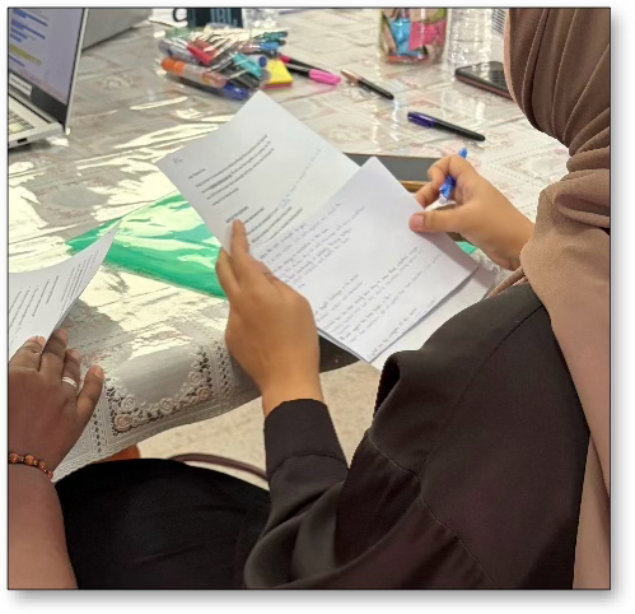
Through hands-on exercises based on real-life scenarios, the staff carefully examined how everyday interactions can affect a survivor. They looked closely at how small things such as their body language, the tone of their voice, the way they offer choices, and how they explain their decisions can have a massive impact. They learned that these daily actions can either support a survivor’s healing journey or accidentally remind them of their trauma and make things harder.
Conclusion: Looking Forward
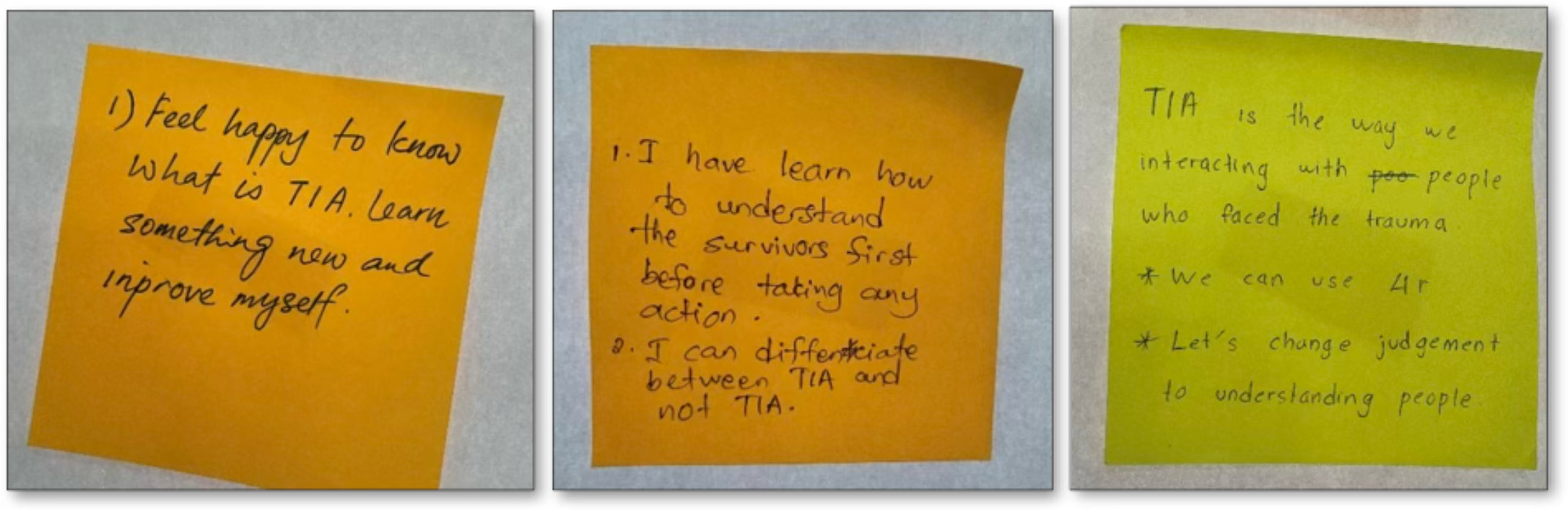
By the end of the program, the participants left with a much stronger understanding that trauma-informed care is about so much more than just handling emergencies or responding to a crisis. It is about actively building safety, trust, teamwork, and a sense of power in every single conversation and interaction, while also remembering to look after their own personal well-being.
The training clearly proved that true, meaningful support always begins with having a safe presence, using safe words, and practicing safe collaboration. Ultimately, the team walked away equipped with practical tools they can use immediately in their daily work, allowing them to create peaceful spaces where survivors truly feel heard, respected, and empowered to rebuild their lives.
Written by Marni Masri and Dion David, Trauma-Informed Approach (TIA) Trainers